Bournemouth Magazine arrives at a pivotal moment for this Dorset coastal town. With a population of 196,455 according to the 2021 census, Bournemouth stands as the largest settlement in Dorset and one of the most dynamic communities on England's south coast. This new publication joins a local media landscape that has served residents for more than a century, offering a fresh voice for modern Bournemouth.
From Heathland to Vibrant Resort
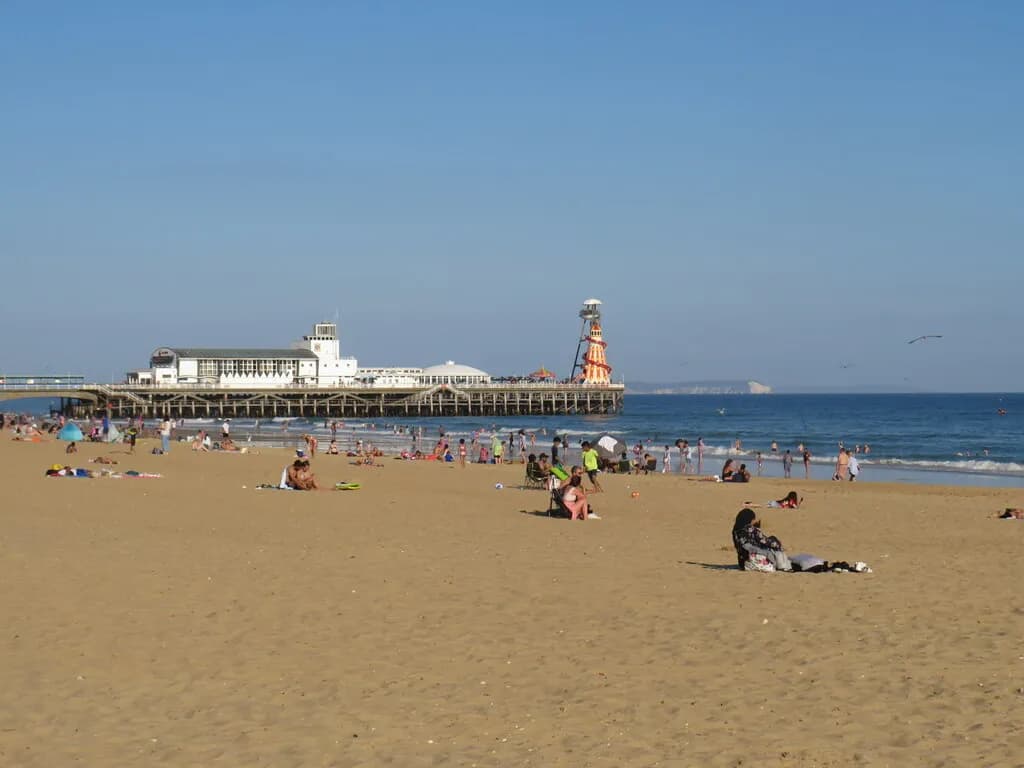
The story of Bournemouth began in 1810 when retired army officer Lewis Tregonwell established a health resort on what was then uninhabited heathland. Within decades, the town transformed dramatically. The arrival of the railway in 1870 brought the population to 17,000, and by 1900 it had reached 60,000. The opening of Bournemouth Pier in 1880, designed by Eugenius Birch and stretching 838 feet into the English Channel, established the town as a premier seaside destination.
The town's governance has evolved alongside its growth. Incorporated as a municipal borough in 1890 and becoming a county borough by 1900, Bournemouth transferred from Hampshire to Dorset in 1974. Since 2019, it has formed part of the Bournemouth, Christchurch and Poole (BCP) unitary authority. A significant development came in 2026 with the establishment of Bournemouth Town Council, whose first elections took place in May 2026, restoring a layer of local representation after many decades.
Economy and Identity
Bournemouth's economy has shifted substantially over two centuries. While tourism attracts over 5 million visitors annually to its seven-mile stretch of golden sand beaches, financial services now represent the largest income source for the town. Major employers include JP Morgan Chase, which employs more than 4,000 people locally, alongside Liverpool Victoria, Abbey Life, and the Portman Building Society.
The town has pursued city status twice, in 2012 and 2022, though neither bid succeeded. Nevertheless, Bournemouth's ambitions remain undimmed. The town boasts Premier League football through AFC Bournemouth, promoted in 2015, and has cultivated a reputation as a cultural hub that punches above its weight.
Arts and Education
Bournemouth's cultural credentials are substantial. The Bournemouth Symphony Orchestra, founded in 1893 as the Bournemouth Municipal Orchestra, maintains its reputation as one of the country's leading ensembles. The Russell-Cotes Art Gallery and Museum, housed in the Grade II* listed East Cliff Hall built in 1901, opened to the public in 1922 and holds significant collections. The Pavilion Theatre, which opened in 1925, and the Bournemouth International Centre, opened in 1984, provide major venues for performances and events.
Educational institutions contribute significantly to the town's character. Bournemouth University, which traces its origins to the Dorset Institute of Higher Education, was granted university status in 1992 and now serves more than 17,000 students. Arts University Bournemouth has developed a growing reputation across media, business, and health disciplines.
The Local Media Landscape
Bournemouth Magazine enters a market with deep roots. The Bournemouth Daily Echo, first published on 20 August 1900, has served as the newspaper of record for 124 years. Owned by Newsquest and distributed across southeast Dorset, the Echo had a circulation of 4,761 as of 2024. Radio station 2CR FM launched in September 1980 as one of the first independent stations outside major cities. Visit Bournemouth operates the official tourism portal at visitbournemouth.com.
As part of the Firefly Editorial Network, which powers more than 200 regional magazines, Bournemouth Magazine aims to complement these established outlets. The publication will accept story submissions and offers newsletter subscriptions, positioning itself as a platform for community voices alongside professional journalism.
What to Expect
Bournemouth Magazine will cover the issues, people, and places that define this coastal community. From developments at BCP Council and the new Town Council to the changing face of the town centre, from the seven miles of beaches that draw millions of visitors to the quieter neighbourhoods where most residents live, this publication seeks to reflect Bournemouth in all its complexity.
The magazine's arrival coincides with a period of renewed civic engagement following the 2026 Town Council elections. As Bournemouth continues to balance its identity as a seaside resort, a financial services hub, a university town, and a residential community, there is no shortage of stories worth telling. Bournemouth Magazine intends to tell them.