Why Bournemouth Matters
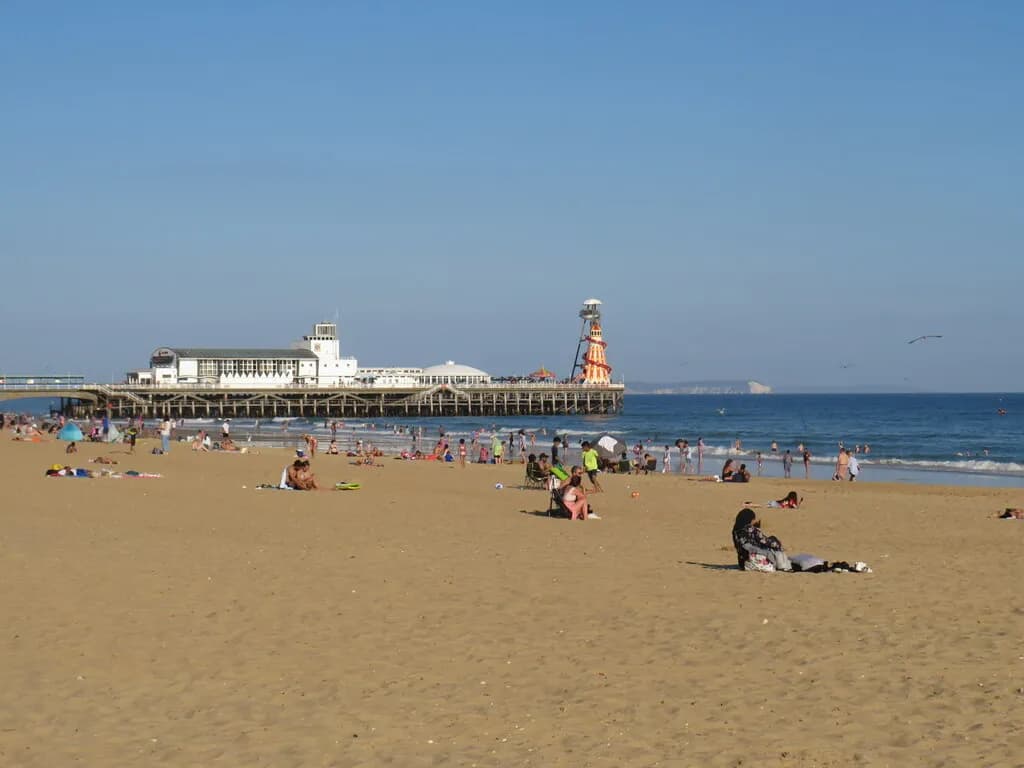
Bournemouth is not merely a seaside town. With seven miles of golden sand, a Victorian pier that has stood since 1856, and gardens that stretch from the town centre to the seafront, this Dorset coastal settlement has spent nearly two centuries defining what a British resort can be.
The town sits on England's south coast, roughly 100 miles from London, where the Bourne Stream meets the English Channel. Its mild microclimate; often compared to the Mediterranean; has drawn visitors since the 1840s when Lewis Tregonwell built the first holiday villa here. Today, Bournemouth remains a destination for millions of tourists each year, whilst serving as home to a resident population of approximately 200,000 people.
More Than Just Beaches
The seafront dominates the visitor experience, and deservedly so. Bournemouth Beach has held Blue Flag status for water quality and environmental management. The pier itself houses attractions, amusements, and an observation deck that offers views across Poole Bay to the Isle of Wight. Yet to understand Bournemouth solely through its coastline would be to miss its fuller character.
The town's Victorian and Edwardian architecture remains remarkably intact. The Gardens, comprising the Upper, Central, and Lower Gardens, form a continuous green corridor extending two miles from the town centre to the beach. This unique landscape feature, created in the 1870s, offers a leafy counterpoint to the bustling seafront. The Bournemouth International Centre (BIC) and Pavilion Theatre host national touring productions, concerts, and conferences throughout the year.
A Town of Two Universities
Bournemouth University and Arts University Bournemouth bring approximately 20,000 students to the area annually. This academic presence shapes the town's cultural life, from the independent cinemas and galleries in the Triangle district to the music venues along Old Christchurch Road. The student population refreshes the town's energy, ensuring that Bournemouth maintains an identity beyond its retirement resort reputation.
Economic Evolution
Tourism remains central to the local economy, contributing significantly to employment and business activity. Yet Bournemouth has diversified. The financial services sector, digital industries, and healthcare have established substantial presences. The town centre has undergone regeneration in recent years, with mixed results; some developments have thrived whilst others await fuller occupation.
What This Magazine Will Cover
Bournemouth Magazine exists to document this town in all its complexity. We will report on council decisions affecting residents, review the restaurants opening along the seafront, investigate planning applications, profile local businesses, and examine the challenges facing coastal communities; from coastal erosion to seasonal employment patterns.
Our focus stays local. National stories will appear only when they directly affect Bournemouth residents. We will cover Poole and Christchurch when those towns intersect with Bournemouth life, but our primary commitment remains to this specific stretch of coastline between Hengistbury Head and Sandbanks.
The magazine launches with this issue. We invite readers to submit tips, corrections, and story suggestions. Bournemouth's story continues to unfold, and we intend to record it accurately.