When Sir Merton and Annie Russell-Cotes arrived in Bournemouth in 1876, they were hoteliers seeking a fresh start. Within three decades, they had built one of Britain's most idiosyncratic museums: a clifftop Art Nouveau villa packed with Japanese ironwork, Pre-Raphaelite masterpieces, and theatrical memorabilia, all gifted to the town that had become their home.
From the Midlands to the Royal Bath
Merton Russell-Cotes was born in Wolverhampton on 8 May 1835. He and his wife Annie moved to Bournemouth in 1876 and purchased the Bath Hotel, which they enlarged and renamed the Royal Bath Hotel after the Prince of Wales had stayed there in 1856. The couple's business acumen quickly established the hotel as a premier destination, but their ambitions extended far beyond hospitality.
Merton immersed himself in civic life. He served as Mayor of Bournemouth from 1894 to 1895, having declined the mayoralty in 1893 due to temporary ill health. The couple received the Freedom of the Borough in 1908, and Merton was knighted the following year. When Bournemouth became a borough in 1890, he presented the town with a mace: a replica of the one Queen Elizabeth I had given to his native Wolverhampton.
A Birthday Gift on the East Cliff
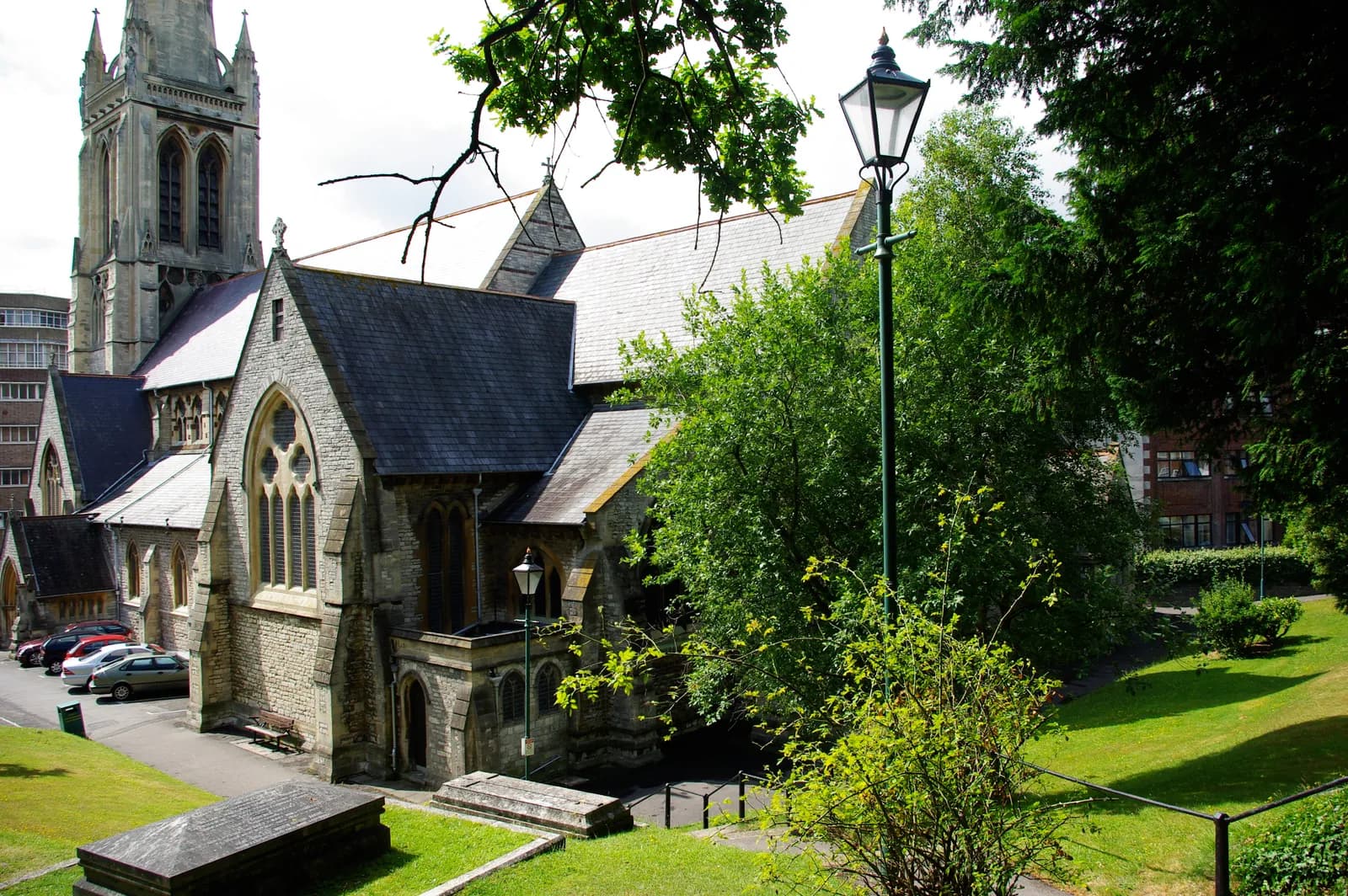
In 1897, Sir Merton commissioned Irish architect John Frederick Fogerty to design a private residence on the East Cliff. Originally called East Cliff Hall, the house was constructed between 1897 and 1901 as a birthday present for Annie. Fogerty created an Art Nouveau masterpiece with interiors by John Thomas and his son Oliver. The Grade II* listed building sits on Russell Cotes Road, overlooking the sea from its exposed clifftop position.
Collectors Without Borders
The Russell-Cotes were voracious travellers. Sir Merton, a Fellow of the Royal Geographical Society, amassed artefacts from across the globe, particularly from Japan. The collection includes Komai iron plaques, Nō play dishes, Japanese Mino ware, and pagoda-shaped cabinets. Their travels also took them to Russia, Australia, and New Zealand, with souvenirs from each destination finding their way into the house.
The couple's passion for the arts extended to theatre. They were friends with Sir Henry Irving, the legendary Victorian actor who regularly stayed at the Royal Bath Hotel. When Irving died in 1905, the Russell-Cotes devoted an entire room to his memory. The Sir Henry Irving Museum, housed within the larger villa, contains items purchased at the sale of Irving's effects alongside memorabilia from Ellen Terry and Sarah Bernhardt.
The art collection itself is formidable. The main hall holds high Victorian and Pre-Raphaelite works, including Dante Gabriel Rossetti's Venus Verticordia (1864–1868), Evelyn De Morgan's Aurora Triumphans (1877–78 or c. 1886), and William Etty's The Dawn of Love (1828).
The Gift to the Town
In 1907, when Undercliff Drive opened, the couple announced their intention to give East Cliff Hall and its contents to the people of Bournemouth. Annie donated the house and its furnishings; Sir Merton contributed his fine art collection. In recognition, both were made honorary freemen of the town. They continued living in part of the house for another decade, funding extensions and eventually donating the freehold of the site.
The museum formally opened in 1919 with Princess Beatrice, daughter of Queen Victoria, officiating. Following Sir Merton's death on 27 January 1921, the Borough of Bournemouth took full control and reopened the Russell-Cotes Art Gallery and Museum on 10 March 1922. The institution was established as a charity with the local council as sole trustee.
What to See Today
The Russell-Cotes remains operational as both art gallery and museum. Visitors can explore the Art Nouveau interiors, the Japanese collection described as world-renowned, the Pre-Raphaelite paintings, and the Sir Henry Irving Museum. Facilities include a restaurant, a children's play area, and "detective sheets" for older children. Contemporary art exhibitions are staged twice yearly. A further extension opened in 2000.
A Building Under Pressure
The museum currently faces significant challenges. Reports from 2023 indicated that the building requires £4 million of repairs to address water damage, worn ceilings, and failed lighting on the balcony. The south-facing façade suffers from significant water ingress, exacerbated by its exposed clifftop position and increasing rainfall. Sarah Newman, the museum manager, described the building as "fragile – both inside and outside."
To secure its future, the Russell-Cotes is transitioning to independent charity status, moving away from the complicated governance structure that has hampered fundraising efforts. Despite these difficulties, visitor numbers remain healthy: summer 2023 saw more than 30,000 visitors, a 14% increase attributed to the Lucy Kemp Welch exhibition, improved marketing, and inclement weather driving visitors indoors.
The Russell-Cotes Art Gallery and Museum stands as testament to Victorian philanthropy and the belief that world-class art and global curiosities belong not just in London, but in seaside towns like Bournemouth. Its survival depends on whether a new generation of supporters will match the generosity of the couple who, nearly a century ago, gave their home to the town they loved.